
What Is Repairs Management in Social Housing?
Repairs management in social housing is often framed as a technical task — logging faults, dispatching operatives, closing jobs. But behind every request is a resident waiting to feel heard.

Streamline housing operations with technology
Improve tenant satisfaction and team coordination
Increase repair transparency and regulatory compliance
Why It’s More Than Fixing a Leak
Repairs management in social housing is often framed as a technical task — logging faults, dispatching operatives, closing jobs. But behind every request is a tenant, and behind every repair, a chance to rebuild trust.
Whether it’s a broken boiler, a leaking roof, or mould returning after treatment, how a landlord handles that issue shapes the resident experience.
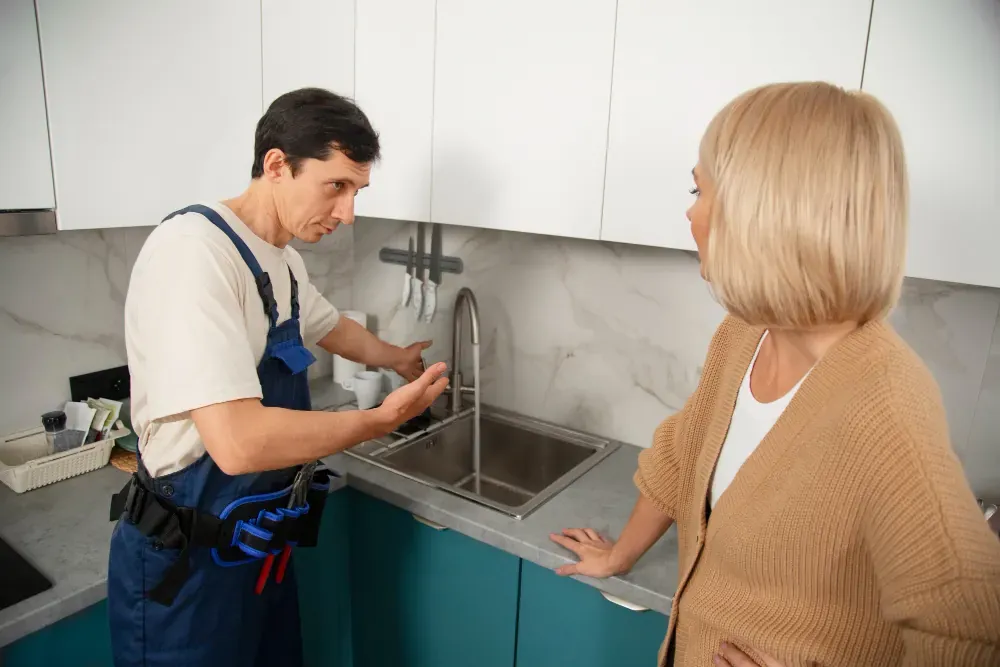
Repairs are where accountability and service truly meet.
The Shift: From Reactive to Responsive
Historically, housing providers have relied on call centres, paper records, and contractor spreadsheets to manage repairs. It worked — until it didn’t. Today’s residents expect digital transparency and two-way communication.
That’s why the shift isn’t just toward faster repairs — it’s toward digital transformation in housing repairs that enables smarter, connected service models which are:
- Visible — so tenants can see what’s happening and when
- Personalised — to reflect individual needs and vulnerabilities
- Integrated — with wider housing systems and compliance tracking
Why Repairs Matter More Than Ever
The consequences of missed repairs aren't just operational — they're social, financial, and regulatory. From Awaab’s Law to the Housing Ombudsman’s ‘4 Ts’, the message is clear:
“You can’t manage what you can’t see, and you can’t fix what you don’t track.”
The housing repairs lifecycle is no longer a simple one-way process. It involves coordinated, transparent steps across residents, staff, and contractors — with technology acting as the backbone.
What Good Repairs Management Looks Like
So what does “good” look like in practice? It starts with removing friction.
Tenants shouldn’t have to chase updates, wait on hold, or repeat information. Operatives shouldn’t arrive without the right tools. Housing teams shouldn’t spend hours rekeying data.
Modern housing repairs technology focuses on:
- Self-Service Repairs Reporting: 24/7 access for tenants to log issues online or via mobile, upload photos, and choose time slots via self-service repairs portals.
- Live Status Tracking: Repairs that work like a delivery app — real-time updates, fewer missed visits.
- Asset-Linked Diagnostics: A good platform supports asset-linked repair systems, enabling repeat issues to flag underlying causes, not just symptoms.
- Contractor Integration: Contractor repair portals allow partners to update progress in real-time and close jobs digitally—reducing admin and delays.
“A strong system isn’t just digital — it’s dependable.”

Not Just Fast, But Fair
Tenants understand that things can go wrong. What they want is a fair, timely response.
That’s where a well-structured social housing repairs process makes all the difference. Clear communication, accurate categorisation, and automated follow-up all help build trust.
And for teams, it means fewer complaints, fewer escalations, and more time spent resolving rather than reacting.
Using Repairs Data to Drive Strategy
Every repairs request is a data point. And if managed properly, those data points can reveal powerful insights.
Smart providers are using analytics to:
- Identify repeat repairs and prioritise capital investment
- Spot failing contractors or poor operative performance
- Justify funding for retrofitting or major works
By embedding housing repairs compliance software into your operations, you get more than metrics—you get assurance.
Repairs and Regulation: The New Normal
With new compliance rules like Awaab’s Law, organisations are under scrutiny.
That’s why repairs management in social housing must now include:
- Timestamped audit trails
- Formal update notices
- SLA monitoring and alerts
Without these, providers risk not only fines but reputational damage.
Repairs Management as Resident Engagement
At its best, a tenant-first repairs strategy doesn’t just fix faults—it strengthens the relationship between landlord and resident.
Digital repairs tools support a service built on clarity, consistency, and care—delivering safer homes and more satisfied tenants.
"Repairs are not a service add-on — they are a service core."

Explore More About
Repairs Management Module for Housing or Properties
Comprehensive Guide to Social Housing Repairs Management Technology
View eBook
The Positive Impact of Modern Technology on Repairs Management in Social Housing
Learn More
12 Key Steps to Ensure a Successful Repairs Technology Implementation
Learn More
What housing providers say
Named people at named organisations, in their own published words.
“We realised that we had a gap around the golden thread of data, in terms of the availability and accessibility of the data we held in seventeen different systems… That meant colleagues could immediately see all non-compliant properties.”

Jake Le Page Head of Building Safety Regulations Notting Hill Genesis
“Neo brought strong Dynamics 365 expertise, worked collaboratively with our internal teams and applied Microsoft best practice within a live operational environment… We would be pleased to recommend them as a Microsoft Dynamics 365 partner within the housing sector.”

Wayne Human Head of IT Change Sage Homes
“The successful deployment of this solution has significantly increased transparency and improved the operational efficiency of our contact centre, allowing us to deliver greater value to our customers.”
Philip Wragg Infrastructure Programme Manager
“The Neo Technology model allows us to scale our development capacity, accelerating our transformation programmes while future-proofing our business, while achieving substantial industry cost savings.”
Group CIO Notting Hill Genesis
Related proof
See how this works in practice
Thirty minutes, walked through by the people who deliver it. Bring your questions.