
Modern repairs management
Insight-led, tenant-centric strategies for streamlined operations and assured compliance.
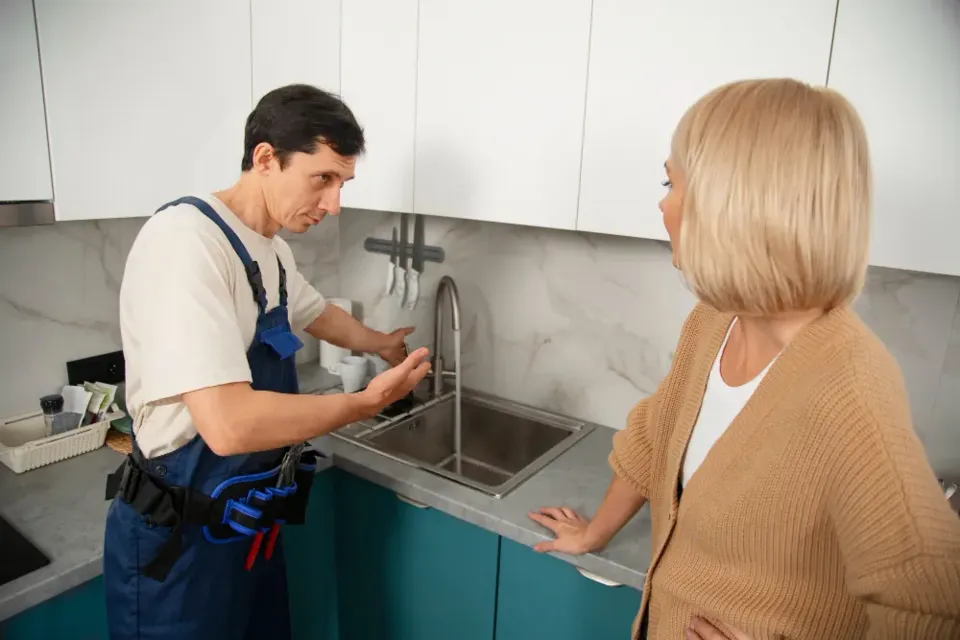
Rethinking repairs
Every repair request is, at heart, a promise that a home will be kept safe, warm and fit for living. Traditional workflows often break that promise long before a tradesperson reaches the door: forms sit in inboxes, schedules clash, and asset history hides in spreadsheets — residents left waiting, staff firefighting, budgets under strain.
Modern digital tools change the story by making each job a visible, trackable journey. Requests raised online flow straight into triage, with clear instructions for field teams — photos, notes and parts lists included.
"Repairs are the single biggest driver of complaints and determining factor of resident trust. This reflects how home is an emotional place, and a repair is more than a job."
Housing Ombudsman, Spotlight report: Repairing Trust (2025)
From waiting for updates to knowing in real time
When a repair is logged, the clock starts ticking for everyone involved. Without a shared, live view of progress, residents chase answers, officers juggle phone calls and contractors work blind to shifting priorities.
- Live repair status. Progress timestamps update instantly for residents, officers and contractors alike.
- No need to chase. A self-serve tracker removes repeat "just checking" calls and emails.
- Faster officer decisions. Exception alerts surface overdue jobs so staff can intervene quickly.
- Clear contractor accountability. Mobile notifications confirm deadlines and evidence of completion.
- Smoother resident experience. Certainty replaces guesswork, strengthening confidence in the service.
Proactive maintenance powered by asset intelligence
Predictive repairs start with a simple principle: fix the cause, not the consequence. By uniting historic job data with live sensor readings and routine inspections, housing teams can see emerging patterns long before a breakdown — boiler runtimes edging higher, damp sensors showing a gradual rise, component lifecycles flagging end-of-warranty windows, all in the same dashboard. Planned interventions then replace last-minute call-outs, reducing disruption for residents and pressure on budgets.
This delivers dynamic risk scores that flag assets most likely to fail, smart schedules that bundle tasks to reduce repeat visits, data-driven budgets linked to genuine lifecycle need, fewer emergencies as root causes are addressed early, a clear audit trail of decisions and completed works, and lower carbon impact through extended component life.
Four building blocks of insight-led repairs
Moving from reactive fixes to predictive care isn't just about new software — it rests on four interlocking capabilities:
- Unified asset data. Bring service history, component specs and warranty dates into a single register so every decision starts with the same facts.
- Predictive analytics. Machine-learning models flag components trending toward failure, letting planners schedule fixes before disruption hits residents.
- Mobile workforce tools. Give operatives the full picture on site — asset history, parts list, safety notes and resident preferences.
- Resident engagement channels. Self-service portals, SMS alerts and assisted-digital options keep everyone informed without the need for chasing calls.
Worth asking: do we trust our asset register enough to plan work six months ahead? Can officers see risk scores and warranty status in one screen? How many repeat visits last quarter came from missing parts or information?
The repairs life-cycle
Every repair follows the same closed loop, and making each step visible is what keeps homes safe and residents informed:
Report and log — a resident, staff member or sensor raises a job; asset ID, photos and priority are captured in one system.
Diagnose and triage — officers confirm urgency, consult history and add any risk notes so the right skills arrive first time.
Schedule and notify — the platform matches trade, parts and location; residents choose a convenient slot and get automatic updates.
Fix, verify, learn — the contractor completes the work, uploads before/after images and captures feedback; the outcome feeds analytics for service improvement.
"Housing associations should partner with residents, contractors and frontline staff to develop and apply new standards defining what an excellent maintenance and repairs process looks like."
Chartered Institute of Housing, Better Social Housing Review (2024)
A five-stage maturity model
Every organisation sits somewhere on the journey from ad-hoc fixes to truly predictive maintenance:
- Data foundation — clean, complete asset and repairs data stored in one secure platform.
- Visibility and alerts — live dashboards and notifications show progress, risks and deadlines to all parties.
- Proactive planning — planned works bundle similar tasks, reduce travel and align with resident availability.
- Predictive maintenance — analytics forecast likely failures so teams act before disruption occurs.
- Continuous improvement — outcomes feed back into the model; policies, budgets and training adjust on evidence, not instinct.
Quick wins to start today: digitise the basics by logging every job in one system with asset ID, cause and resolution; share live status so residents and staff aren't chasing updates; and tag high-risk homes — damp history, shielding residents — to guide triage.
Seeing the journey through two lenses
From the resident's side: sending a photo of the issue gives the operative advance visibility and shortens diagnosis. Choosing a slot offers evening and weekend windows with assisted digital support where needed. Tracking the operative in real time replaces "are they on their way?" calls with a live map and ETA. Smart grouping combines gas safety and multi-trade tasks into one visit instead of three.
From the planner's side: issue-preview photos let an operative pre-diagnose and lift first-time fix rates. Dynamic route optimisation sequences jobs by postcode, priority and van stock, cutting unproductive miles. Live exception alerts surface no-access, overruns or safeguarding concerns instantly. Integrated compliance windows mean gas, electrical and damp checks automatically reserve diary space ahead of statutory due dates.
Six essentials for a resident-first repairs service
- Single asset record — one trusted register holds every boiler, door and smoke alarm, with service dates, warranties and parts, so nobody wastes time hunting for the basics.
- Consistent triage — clear rules classify urgency and safeguarding flags, ensuring the right skill attends first time and vulnerable tenants aren't left waiting.
- Resident-friendly scheduling — tenants pick a slot by web, phone or assisted digital; reminders cut no-access visits.
- Mobile job packs — engineers receive photos, risk notes and parts lists on site, capturing before/after evidence in a few taps.
- Live audit trail — progress, costs and approvals update in real time, with no end-of-month paper chase when regulators come calling.
- Feedback and learning — quick surveys and dashboard trends highlight what to fix next, turning every job into a chance to improve the service.
Get the full guide
Tell us who you are and the guide opens straight away, all 23 pages, to read online or download as a PDF.
Download the guide
What housing providers say
Named people at named organisations, in their own published words.
“We realised that we had a gap around the golden thread of data, in terms of the availability and accessibility of the data we held in seventeen different systems… That meant colleagues could immediately see all non-compliant properties.”

Jake Le Page Head of Building Safety Regulations Notting Hill Genesis
“Neo brought strong Dynamics 365 expertise, worked collaboratively with our internal teams and applied Microsoft best practice within a live operational environment… We would be pleased to recommend them as a Microsoft Dynamics 365 partner within the housing sector.”

Wayne Human Head of IT Change Sage Homes
“The successful deployment of this solution has significantly increased transparency and improved the operational efficiency of our contact centre, allowing us to deliver greater value to our customers.”
Philip Wragg Infrastructure Programme Manager
“The Neo Technology model allows us to scale our development capacity, accelerating our transformation programmes while future-proofing our business, while achieving substantial industry cost savings.”
Group CIO Notting Hill Genesis
Related proof
See how this works in practice
Thirty minutes, walked through by the people who deliver it. Bring your questions.