
Awaab's Law Phase 2
Phase 1 asked whether you fixed the damp. Phase 2 asks whether you can show how you knew, what you decided, and why.
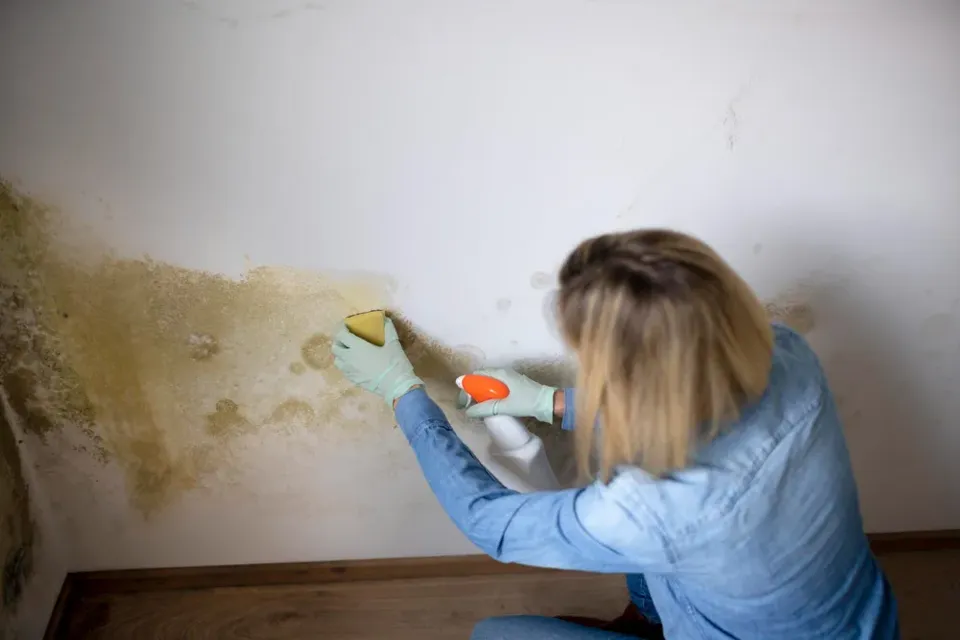
The introduction of Awaab's Law marked one of the most significant changes to housing legislation in recent years. Following the death of Awaab Ishak, the legislation placed greater emphasis on the responsibility landlords have to respond quickly to serious hazards in residents' homes. The first phase focused on damp and mould. The next stage is a much broader shift in how providers are expected to manage property safety, resident wellbeing and regulatory compliance.
For housing associations and local authorities, Phase 2 is not another compliance exercise. It changes how organisations identify risk, prioritise work, evidence decisions and demonstrate that they are providing safe, healthy homes.
Access to thousands of reports is not the same as understanding where the greatest risks lie.
The constraint is rarely commitment
Most organisations already work hard to protect residents and maintain their homes. The challenge is rarely a lack of commitment. More often it is the complexity of managing thousands of properties, multiple contractors, competing priorities, and information spread across disconnected systems.
When property information, repairs history, compliance records and resident communications sit in different places, building a complete picture of risk becomes difficult. Teams spend their time searching for information rather than acting on it.
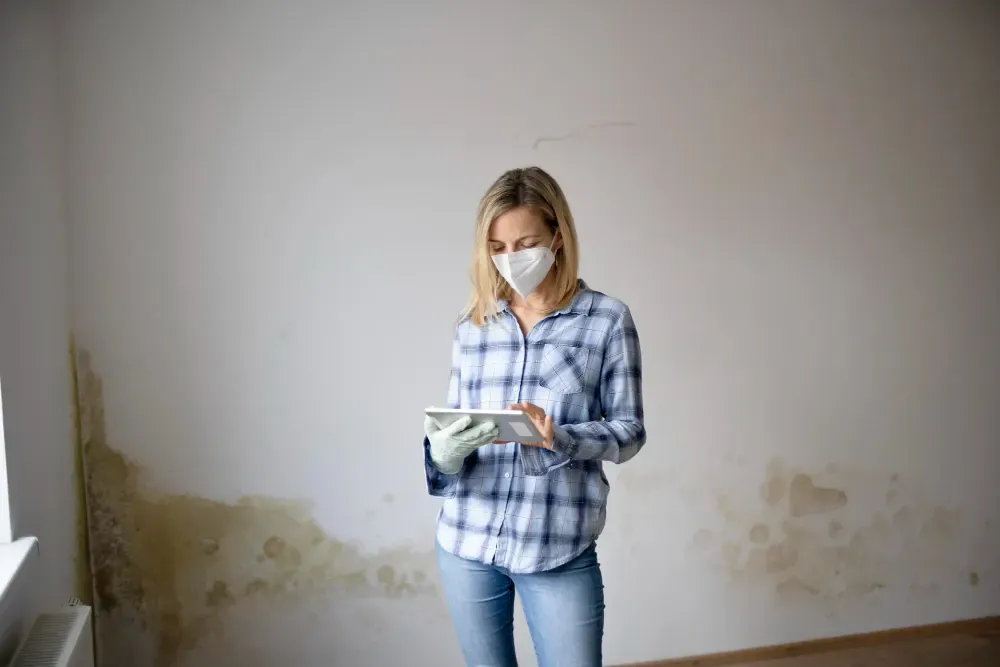
Which is why this is a data problem
Awaab's Law is as much about data as it is about repairs. The legislation requires a response within defined timescales, but it also requires you to demonstrate that decisions were made appropriately, risks were assessed and actions were taken.
Regulators increasingly look beyond whether a repair was completed. They want evidence that an organisation understands the condition of its homes, knows which residents may be vulnerable, can prioritise resources, and has governance robust enough to support how decisions get made.
Phase 2 reflects a wider change across the sector: from responding when problems are reported, to identifying risks before they escalate. That needs accurate property data, reliable compliance records, effective case management, and the ability to bring information together into a single trusted view. Without it, even experienced housing professionals end up deciding on incomplete information.

What that looks like operationally
Every action needs to be recorded and evidenced, whether the case is damp and mould, disrepair, a safeguarding concern or a wider property hazard. Structured case management captures inspections, communications, decisions, photographs, documents, contractor activity and resident interactions in one audit trail — which serves operational teams first, and produces the regulatory evidence as a by-product rather than a separate exercise.
Automation matters for the same reason. Housing professionals should be supporting residents, not chasing paperwork or manually watching deadlines. Case creation, task allocation, escalation, inspection scheduling, service level monitoring and resident communications can all run without someone remembering to start them.
Insight is the third piece. Access to thousands of reports is not the same as understanding where the greatest risks lie. Analysing operational information across the organisation surfaces emerging trends, repeat failures and compliance risks before they become critical — recurring damp and mould cases, contractor performance, vulnerable residents who may need additional support, properties where several indicators point the same way.
Used responsibly, this complements the expertise of housing professionals rather than replacing it.
The journey from reactive to proactive
Most organisations sit somewhere on a five-stage path:
- Reactive repairs — responding to reported issues as they arise.
- Case management — tracking cases and meeting response timescales.
- Integrated data — bringing information together for a complete view of risk.
- Predictive insight — using data and analytics to identify risks before they escalate.
- Proactive assurance — continuously managing risk and improving resident outcomes.
The goal at every stage is the same: safer homes, better services and confident compliance.
It is about people, not processes
Residents expect their homes to be safe and well maintained, and concerns to be taken seriously and resolved quickly. Technology should make it easier to coordinate services, communicate clearly and ensure nobody falls through the gaps.
The organisations that do best under Phase 2 are unlikely to be those with the largest compliance teams or the biggest technology budgets. They will be the ones that invested in good data, connected systems and modern ways of working — who have confidence in the information they hold, know where their greatest risks are, and can show clearly how decisions were made.
Expectations around resident safety, asset management, data quality and governance will keep rising. Phase 2 is an opportunity to think beyond compliance and build a more resilient organisation.
The benefit is not doing things faster. It is confidence that every decision rests on complete information, and that every action can be evidenced when it matters most.
What this means for your team
- The statutory clock starts when the hazard reaches you, through any channel — not when someone opens the queue
- Evidence of the decision matters as much as evidence of the repair
- Vulnerability has to be visible at the point the response is set, not discovered afterwards
- A complete picture of risk is a data problem before it is a repairs problem
Get the full guide
Tell us who you are and the guide opens straight away, all 15 pages, to read online or download as a PDF.
Download the guide
What housing providers say
Named people at named organisations, in their own published words.
“We realised that we had a gap around the golden thread of data, in terms of the availability and accessibility of the data we held in seventeen different systems… That meant colleagues could immediately see all non-compliant properties.”

Jake Le Page Head of Building Safety Regulations Notting Hill Genesis
“Neo brought strong Dynamics 365 expertise, worked collaboratively with our internal teams and applied Microsoft best practice within a live operational environment… We would be pleased to recommend them as a Microsoft Dynamics 365 partner within the housing sector.”

Wayne Human Head of IT Change Sage Homes
“The successful deployment of this solution has significantly increased transparency and improved the operational efficiency of our contact centre, allowing us to deliver greater value to our customers.”
Philip Wragg Infrastructure Programme Manager
“The Neo Technology model allows us to scale our development capacity, accelerating our transformation programmes while future-proofing our business, while achieving substantial industry cost savings.”
Group CIO Notting Hill Genesis
Related proof
See how this works in practice
Thirty minutes, walked through by the people who deliver it. Bring your questions.